Preventing damp and mould
No one should have to live with damp or mould. If you are experiencing problems, we will work with you to find the cause and put it right.
We take all reports seriously. If there is any risk to health or safety, we will arrange for a surveyor to visit as soon as possible.
What causes damp and mould?
Damp and mould are usually caused by one of four main issues:
- Broken or blocked guttering
- Drainage problems
- Leaking pipes
- Excess condensation
Sometimes the problem is linked to a repair or structural issue. Other times it is caused by moisture created during everyday living. Understanding the cause helps us fix it properly.
If you spot damp or mould
If you notice damp patches, staining, peeling wallpaper or mould growth, contact us straight away.
Call 0300 555 666 or report it online.
The sooner we know, the sooner we can help.
We take all reports seriously. If there is a risk to safety or health a surveyor visit will be arranged as soon as possible.
Understanding condensation
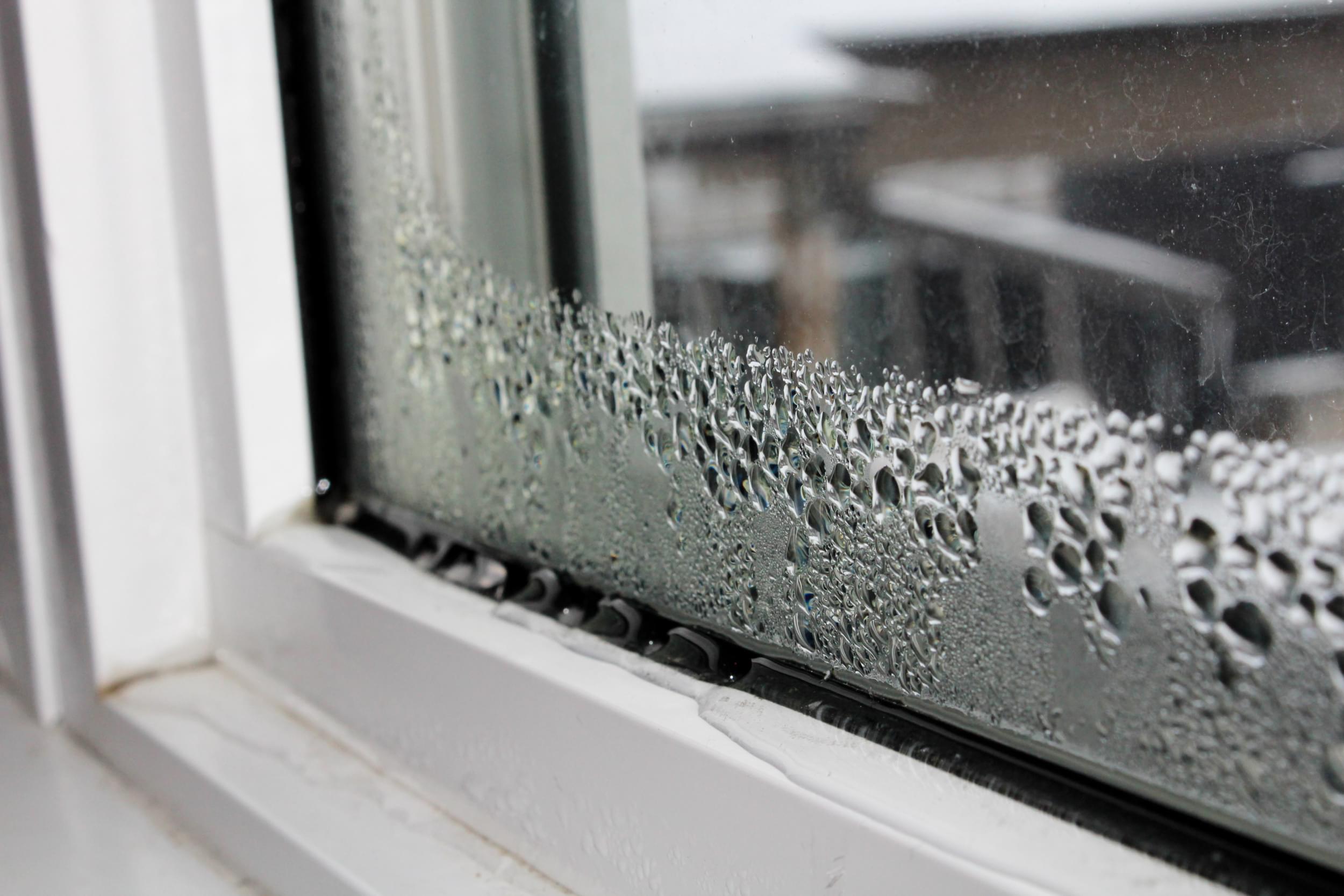
Condensation happens when warm, moist air touches a cold surface and turns into water droplets.
It is most common:
- On windows
- On north-facing walls
- In corners of rooms
- Behind furniture
- Inside cupboards
- In kitchens and bathrooms
Condensation often causes black mould.
Other types of damp, such as leaks or rainwater getting in, are more likely to leave tide marks or staining on walls and ceilings.
Why condensation happens
Everyday activities add moisture to the air inside your home. For example:
- Cooking
- Showering or bathing
- Drying clothes indoors
- Even sleeping (one person can add around half a pint of moisture to the air overnight)
If this moisture cannot escape, it settles on cold surfaces and turns into water.
How to reduce condensation
There are simple steps we can all take to help prevent excess condensation:
- Keep lids on pans when cooking
- Use extractor fans in kitchens and bathrooms
- Keep window vents open
- Open windows regularly to allow fresh air in
- Dry clothes outside if possible
- If drying indoors, use the bathroom with the door closed and the extractor fan on or window open
- Make sure tumble dryers are vented to the outside
If your extractor fan is not working, or you do not have one in your kitchen or bathroom, let us know. We may be able to repair or install one.
Removing mould safely
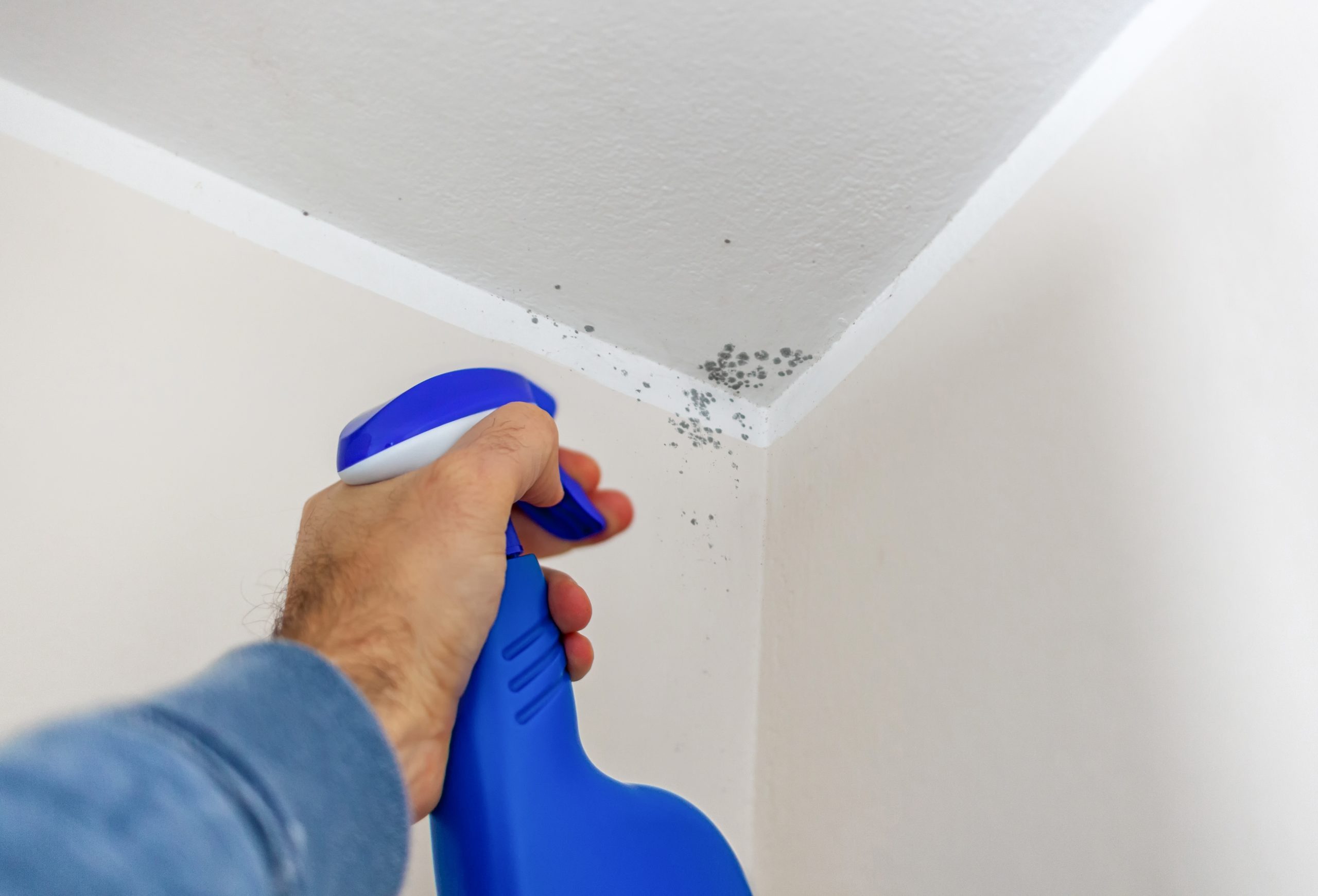
If mould appears, you can treat small areas by wiping or spraying with a mould killer or fungicidal spray that has a Health and Safety Executive (HSE) approval number. Always follow the instructions carefully.
Do not use washing-up liquid, bleach or a vacuum cleaner to remove mould, as this can make the problem worse.