Our 2025/26 Social Value Report
Fay Shanahan, Corporate Director of Operations and IT, writes:
Our latest Social Value Report shows the difference our work made for customers and communities during 2025/26.
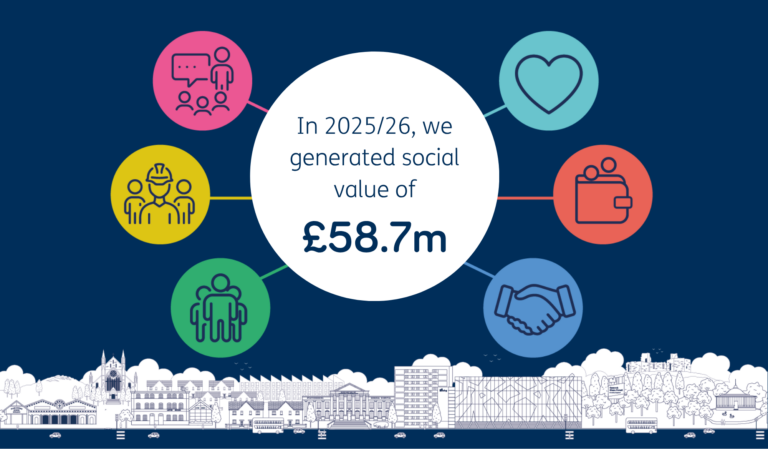
During the year, whg generated £58.7 million in social value, an increase of £5.3 million compared with the previous year.
This figure reflects a wide range of outcomes, including customers remaining secure in their homes, gaining financial stability, moving into work and improving their health and wellbeing. It also captures the wider benefits created through our investment in existing and new homes.
The report brings these results together with customer case studies that show the difference behind the figures.
Why measuring social value matters
Social value helps us understand the wider impact of our work and make informed decisions about where our resources can achieve the greatest benefit.
The financial measure allows us to track progress and demonstrate value. The experiences shared within the report show what that impact means in practice, from avoiding eviction to finding work or being able to use a previously cold room again.
Connecting our impact to our strategy
The activity captured in the report directly supports the four interconnected aims of our Social Justice Strategy:
- Tackling economic inequality Our Money Advice Team helped customers access £6.6 million in previously unclaimed benefits across 2,527 cases. The team also supported 60 households to avoid eviction where financial problems threatened their tenancy. One case study follows a couple facing serious debt, poor health and terminal illness. By working with Macmillan, maximising their income and securing debt write-offs, our team delivered almost £28,000 in financial gains and continued supporting the surviving partner after bereavement.
- Strengthening communities and creating opportunities Our Stronger Communities Team engaged 2,896 customers in programmes supporting health, wellbeing, employment, training and digital inclusion. This included 397 customers who took part in our confidence-building programme, 197 who completed financial and digital literacy training and 82 who secured good jobs. One customer completed two Safeguarding qualifications and secured a role at a day care centre after receiving ongoing support from Bianca in our Stronger Communities Team.
Reflecting on that support, they said: “Her encouragement and belief in me made a real difference, especially during times when I felt unsure.”
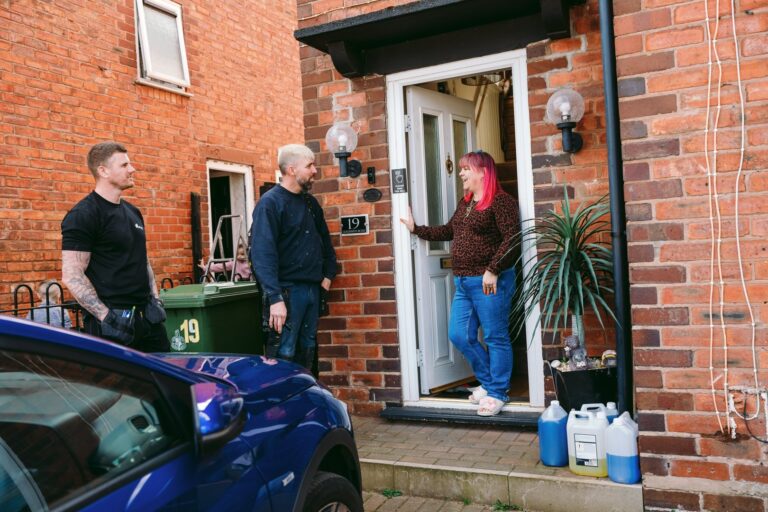
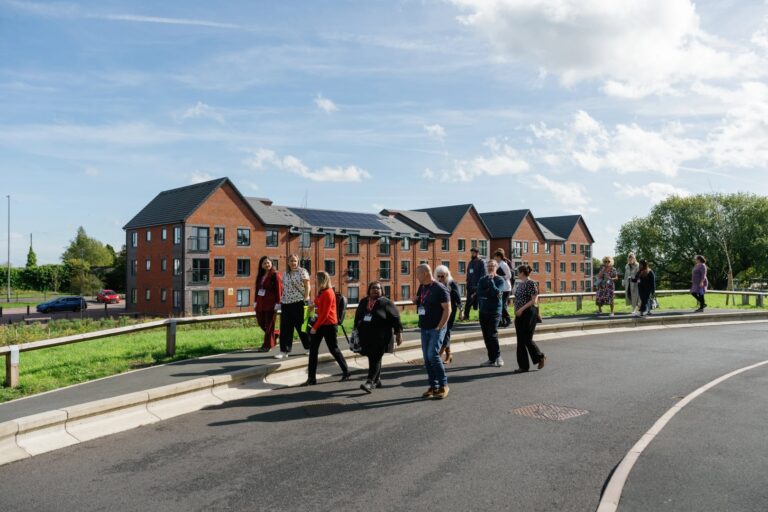
We also secured £594,000 in external funding to sustain and expand our Young Person’s Accommodation Programme, Youth Trailblazer employment activity and Children’s Champions programme. These partnerships helped improve access to housing, employment and early-years health services for people facing some of the greatest barriers. - Investing in our homes to build social justice We invested £34 million in modernisation and energy efficiency improvements and spent £52.1 million improving homes through major works. We also built 270 new homes, while our development activity contributed £164.2 million to the local economy. One customer described how energy efficiency improvements transformed a home that had previously felt cold and damp. Their home became consistently warmer, their energy bills fell and they were able to use their dining room again.
- Developing a strong and influential voice Evidence and lived experience strengthen our ability to advocate for customers and demonstrate the wider contribution housing associations make. Our Youth Trailblazer work was featured by the West Midlands Combined Authority and the National Housing Federation, sharing learning about the role of housing in employment and skills. This report gives us further evidence to contribute to conversations about housing, health, regional growth and inequality.
Read our Social Value Report
Building on our progress
These results show clear progress and give us a stronger understanding of where we can go further.
We will continue using data and customer insight to direct investment, strengthen effective programmes and build the evidence behind our work. Partnerships will remain central to this.