Energy saving myths: What really works this winter?
With colder weather on the way, many of us will be looking for ways to keep our homes warm while keeping energy bills down.
But with so much energy-saving advice out there, it can be difficult to know what really works.
We’ve taken a look at some common energy-saving myths and shared some simple tips to help you save money this winter.
Myth 1: Washing dishes by hand uses less water than a dishwasher
Washing dishes by hand can use up to nine times more water than a dishwasher, particularly if you leave the tap running.
If you have a dishwasher, waiting until it’s full and using the eco setting can help reduce the amount of water and energy you use.
Myth 2: Keeping your heating on low all day saves money
Leaving your heating on throughout the day doesn’t necessarily save money. Your home naturally loses heat over time, so keeping the heating on constantly can mean using more energy than you need.
Instead, use your heating controls or a timer to heat your home when you need it. Aim to keep rooms you regularly use at a comfortable temperature, ideally between 18°C and 21°C.
Myth 3: Turning up the thermostat heats your home faster
Turning your thermostat up to 30°C won’t make your home heat up any faster. It simply means your heating will stay on for longer as it tries to reach the higher temperature.
Set your thermostat to a comfortable temperature to avoid using more energy than necessary.
Myth 4: Appliances don’t use electricity when they’re on standby
Many electrical appliances continue to use small amounts of electricity when they’re on standby.
Switching appliances off at the plug when they’re not being used can help reduce your energy bills. Just remember that some appliances, such as fridges and freezers, need to stay switched on.
Myth 5: Switching lights on and off uses more energy than leaving them on
Modern energy-efficient light bulbs use very little additional electricity when they’re switched on, so there’s no need to leave lights on in empty rooms.
Get into the habit of switching lights off whenever you leave a room.
Save money on your laundry
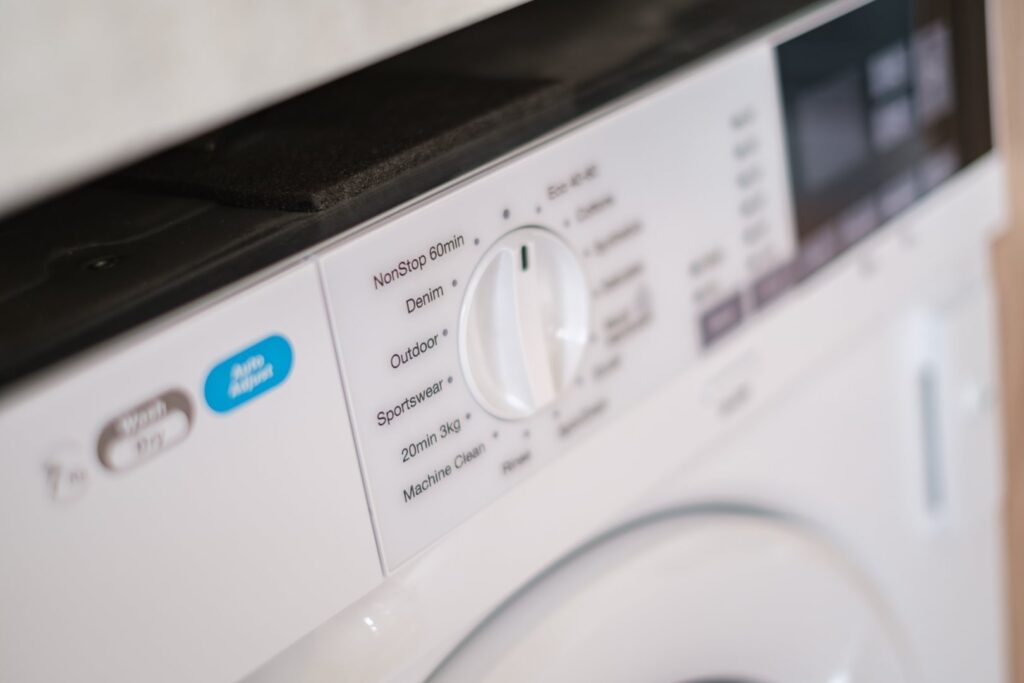
Making a few small changes to how you use your washing machine can also help reduce your energy bills.
- Wash at 30°C: Lower temperature washes generally use less energy, while still cleaning everyday laundry effectively.
- Reduce the number of washes: Cutting out just one wash a week can help you save energy over the year.
- Make the most of each load: Try to wash full loads where possible, without overfilling the drum.
Simple ways to keep your home warm
There are also some easy ways to help keep your home warm without increasing your energy use.
- Close your curtains at dusk to help keep warmth inside.
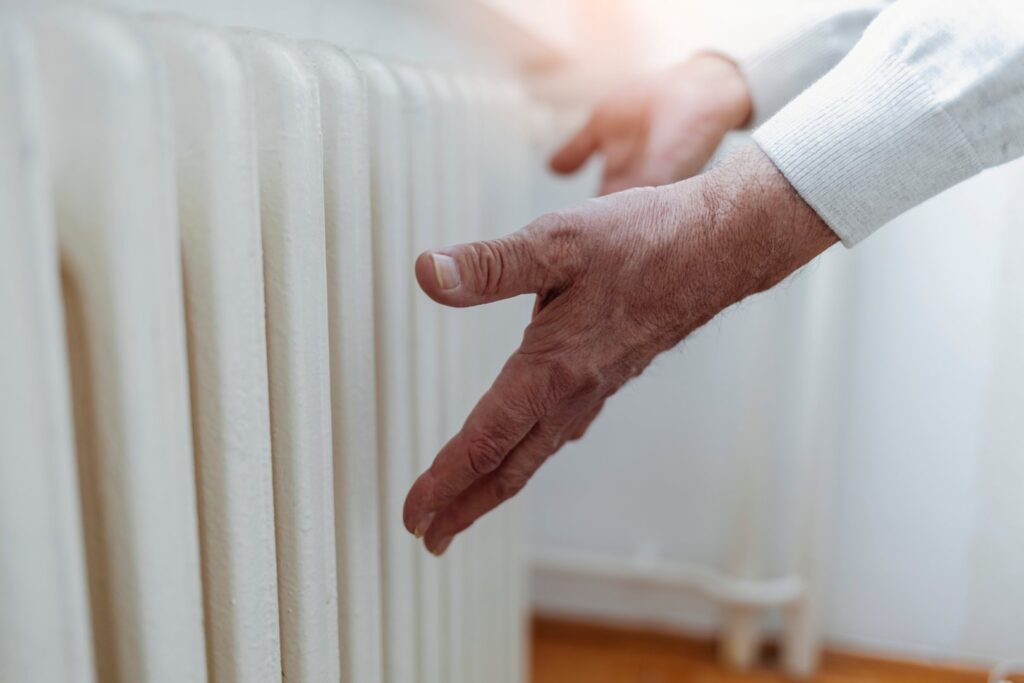
- Keep radiators clear of furniture and other items so heat can circulate around the room.
- Reduce draughts around doors and windows, without blocking any ventilation.
- Use blankets and extra layers to help you stay comfortable when relaxing at home.
Small changes can make a difference
Saving energy doesn’t have to mean making big changes to your daily routine. By following a few simple tips and making better use of the energy you need, you can help keep your home warm, reduce waste and save money on your bills this winter.