whg cuts carbon footprint by 5% in one year
Midlands housing association whg has reduced its carbon footprint by 5% in the last year, according to its latest annual carbon report.
The 2025/26 report shows whg’s total carbon footprint fell by almost 5,000 tonnes of CO₂e compared with the previous year, the equivalent of taking around 1,000 cars off the road for a year.
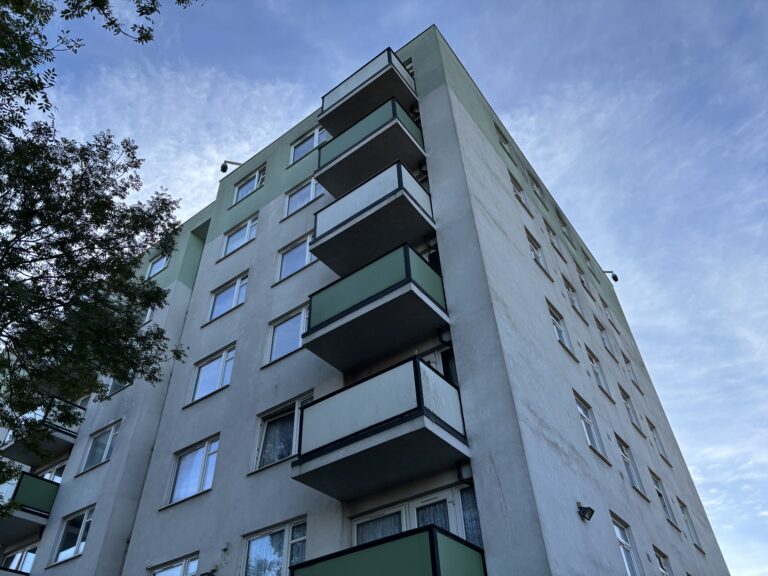
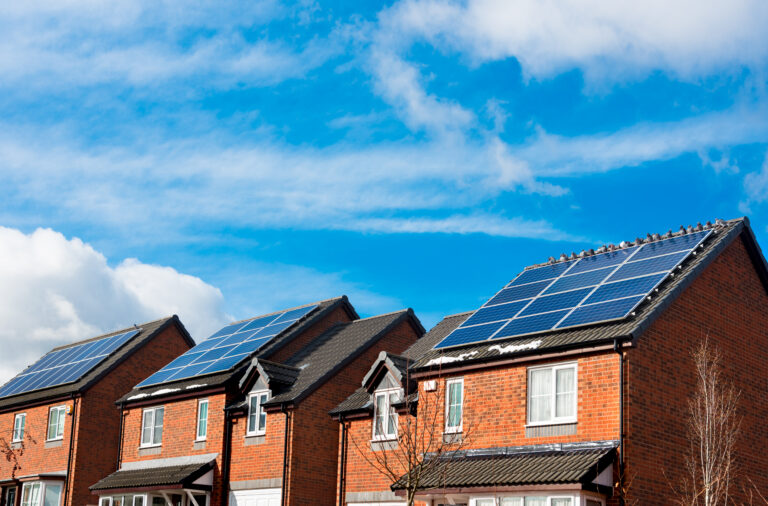
The reduction was mainly driven by improvements in the energy performance of the homes whg manages, supported by its ongoing retrofit programme, which saw carbon emissions per home reduced by 9.7%.
whg also continues to purchase 100% green electricity and gas, meaning its corporate market-based emissions for gas and electricity are zero.
The organisation, which owns and manages more than 22,000 homes across the Midlands, has made sustainability one of the key priorities in its 2030 Plan, with a focus on reducing carbon, improving the energy efficiency of homes and supporting customers and communities to live more sustainably.
Jo Shields, Head of Sustainability at whg, said: “These figures show we are making positive progress in reducing our carbon footprint, particularly through the homes we manage.
“As a housing association, we know the biggest difference we can make is by improving the energy performance of our homes and making sure sustainability is built into the decisions we take every day.
“There is still more to do, but a 5% reduction in one year is an important step forward. It shows the impact of our retrofit programme, better data and the work taking place across the organisation to reduce emissions.”
The report also highlights progress in how whg operates as a business, with emissions from company vehicles reducing by 20%. This has been supported by more efficient vehicles, improved service planning and increased awareness through carbon literacy training.
Jo added: “Reducing carbon is not just about one project or one team. It is about the choices we make across the whole organisation, from how we invest in homes and plan services, to how we travel and use energy.
“These results show that those changes are starting to make a measurable difference.”